Safety & Storage
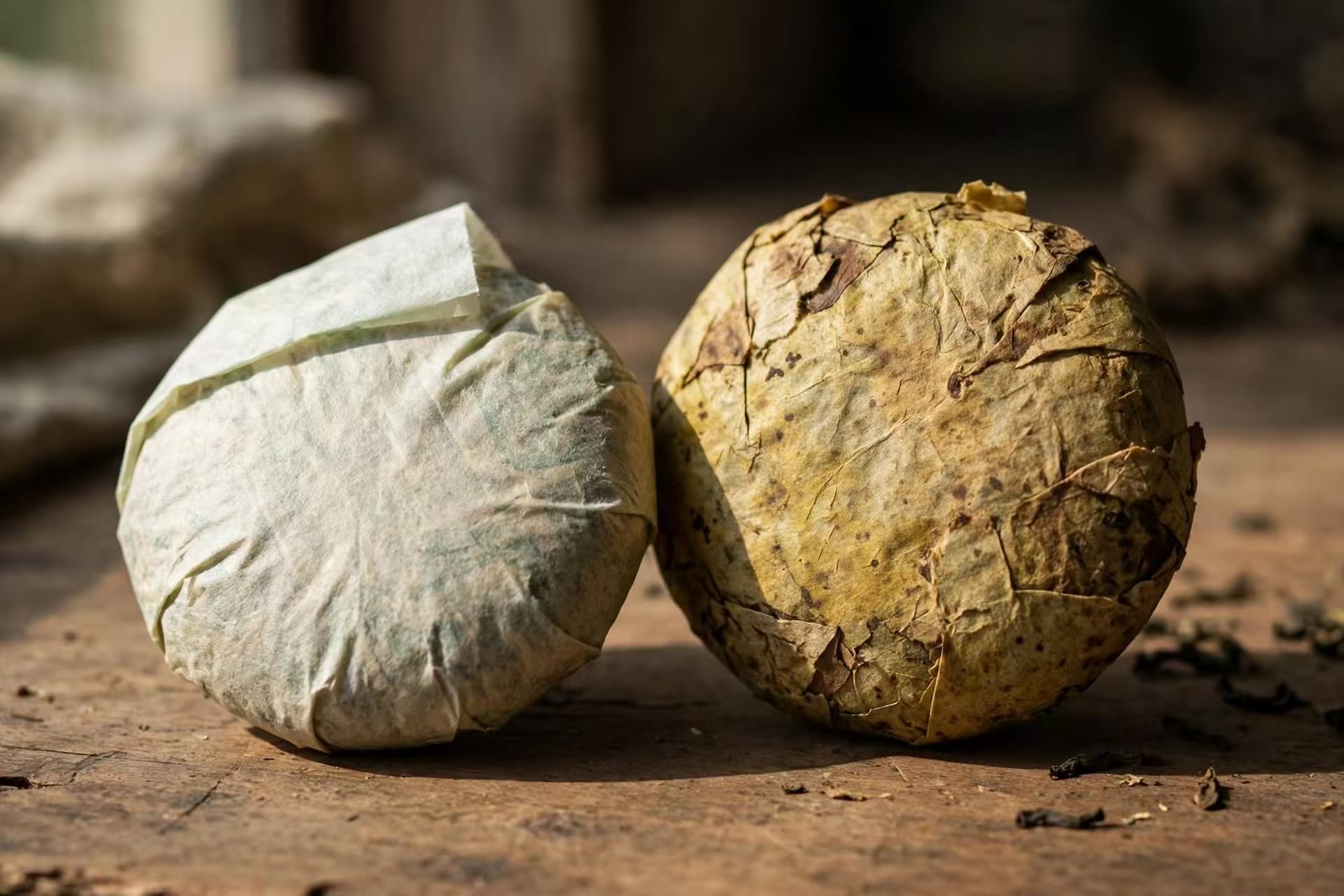
Can Aging Pu-erh Remove Pesticide Residues?
Does aging pu-erh remove pesticide residues? We separate hope from evidence and explain why time is not a substitute for testing and proper compliance checks.
Plain-English guides to tea safety, residues and import compliance.
Clear, no-nonsense guides for tea drinkers and small importers on EU and US rules, pesticide MRLs, heavy metals, lab reports and how to spot a good supplier. Safety and compliance only — no health claims.
Does aging pu-erh remove pesticide residues? We separate hope from evidence and explain why time is not a substitute for testing and proper compliance checks.

GB 2763 and EU MRLs explained without invented numbers. Learn what each system covers, why the EU 0.01 default matters, and how differences arise by substance.

A practical checklist for buying low-residue Chinese tea online: how to read a COA, use lot numbers, ask better questions and spot marketing red flags.
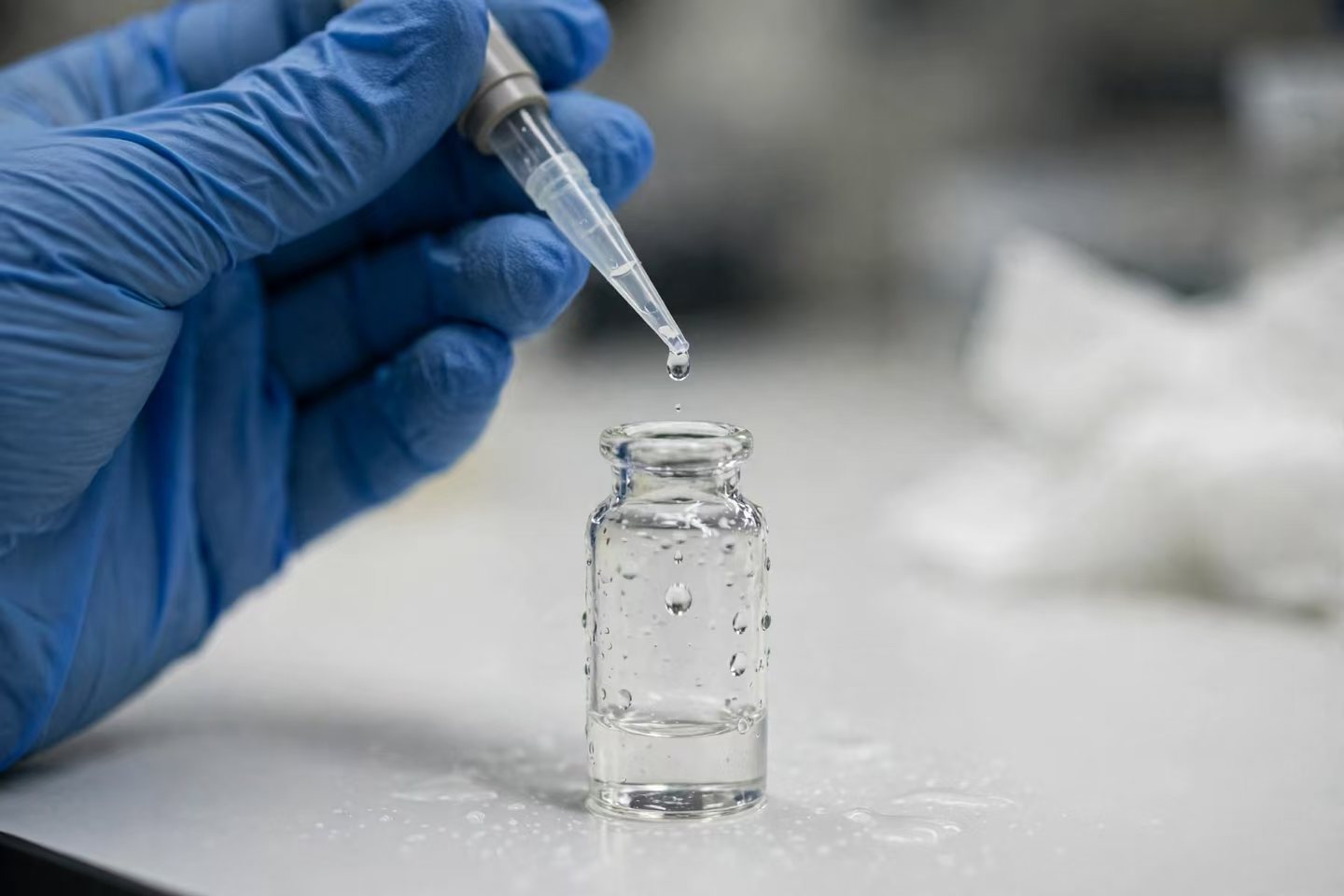
Why do tea shipments get rejected in the EU? Learn the real mechanisms — default 0.01 mg/kg, specific MRLs, LOQ and sampling — and how to check substances.
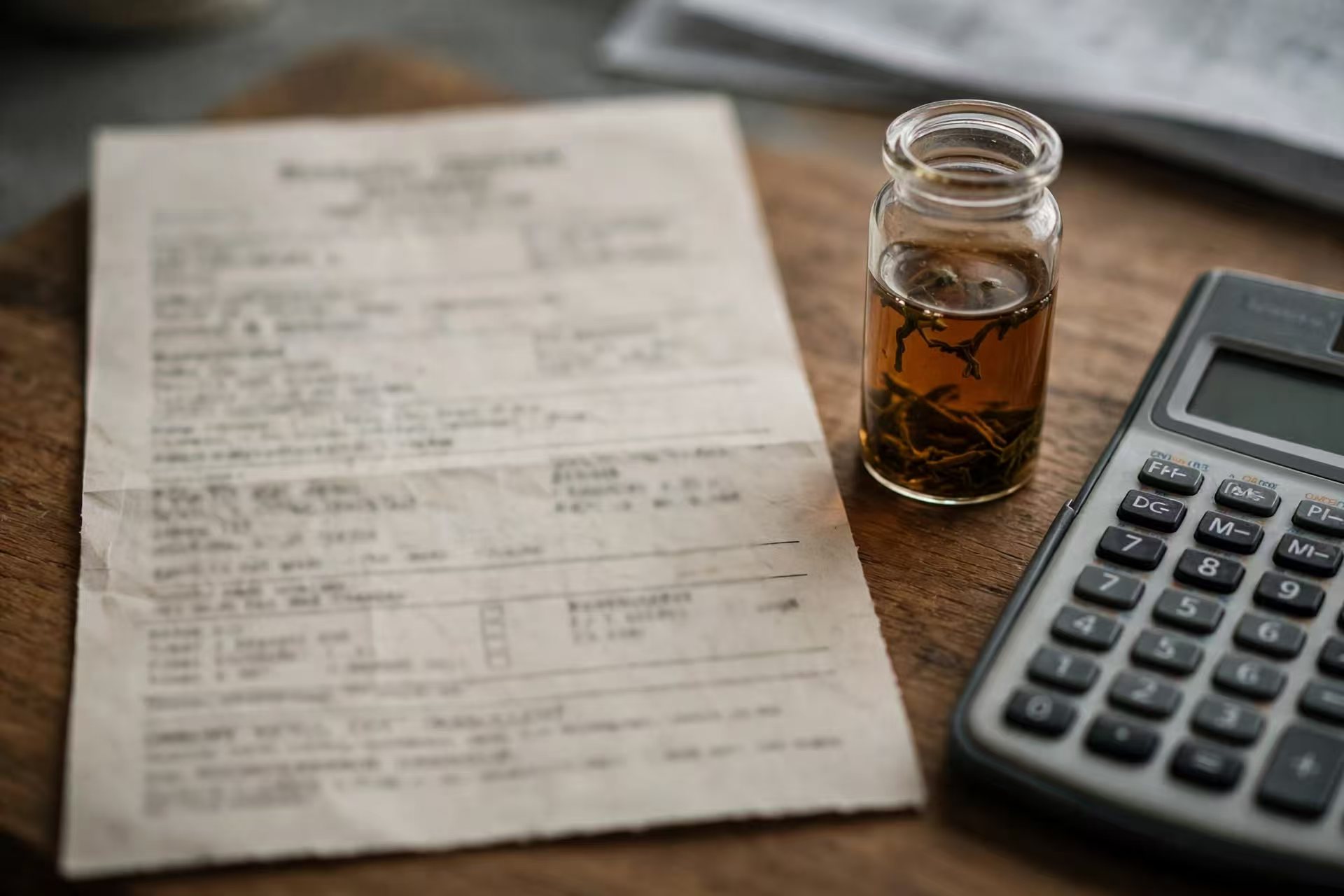
What the EU 0.01 mg/kg default MRL really means for tea: it is a legal compliance limit at the LOQ level, not zero residue and not a safety threshold.

Regulation 396/2005 sets EU tea pesticide limits. Chinese exporters: learn the 0.01 mg/kg default MRL, how to look up values, and why dilution is banned.
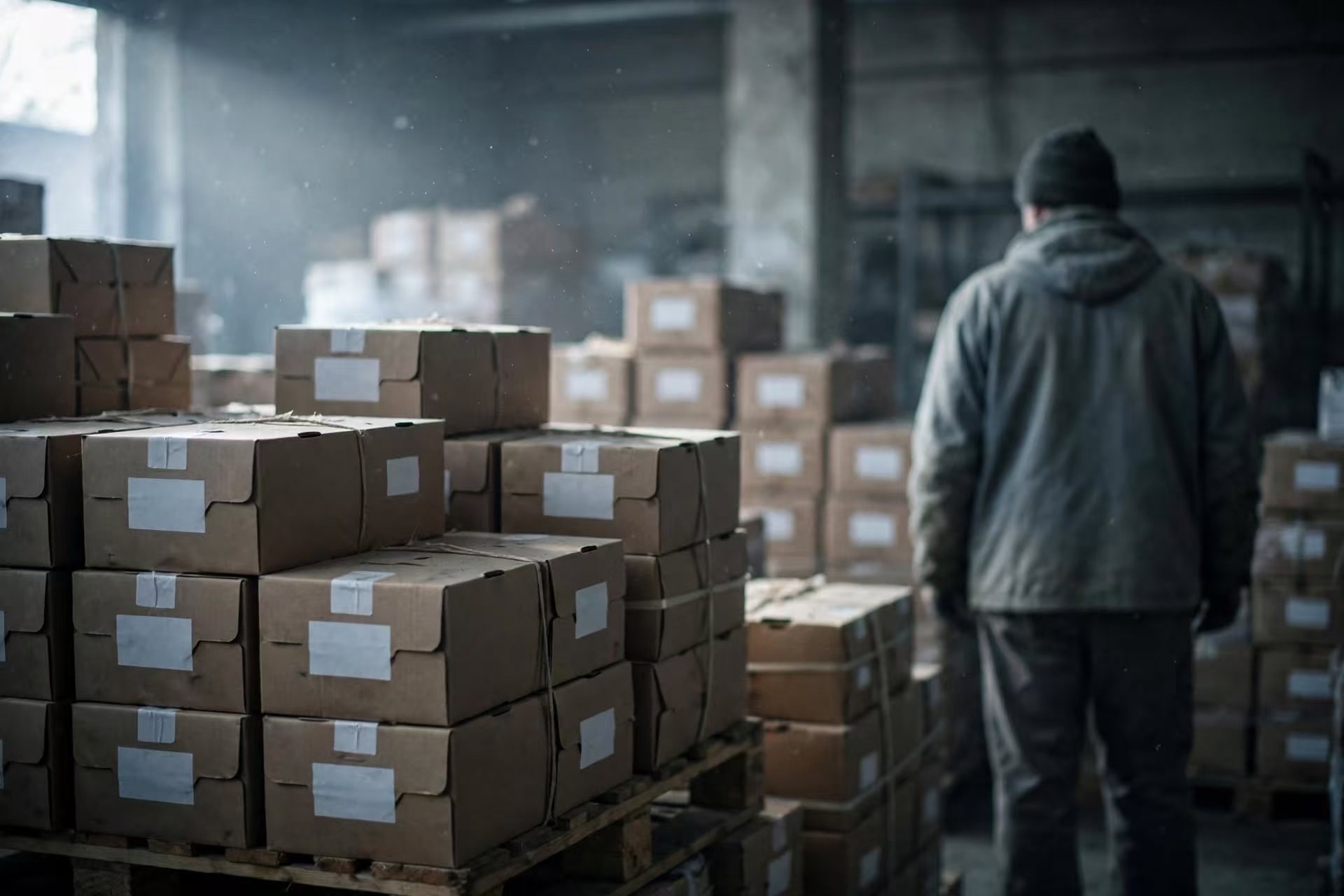
What an FDA import alert means for tea importers: how DWPE detention works, the red and green lists, and the general alerts that can hold a tea shipment.
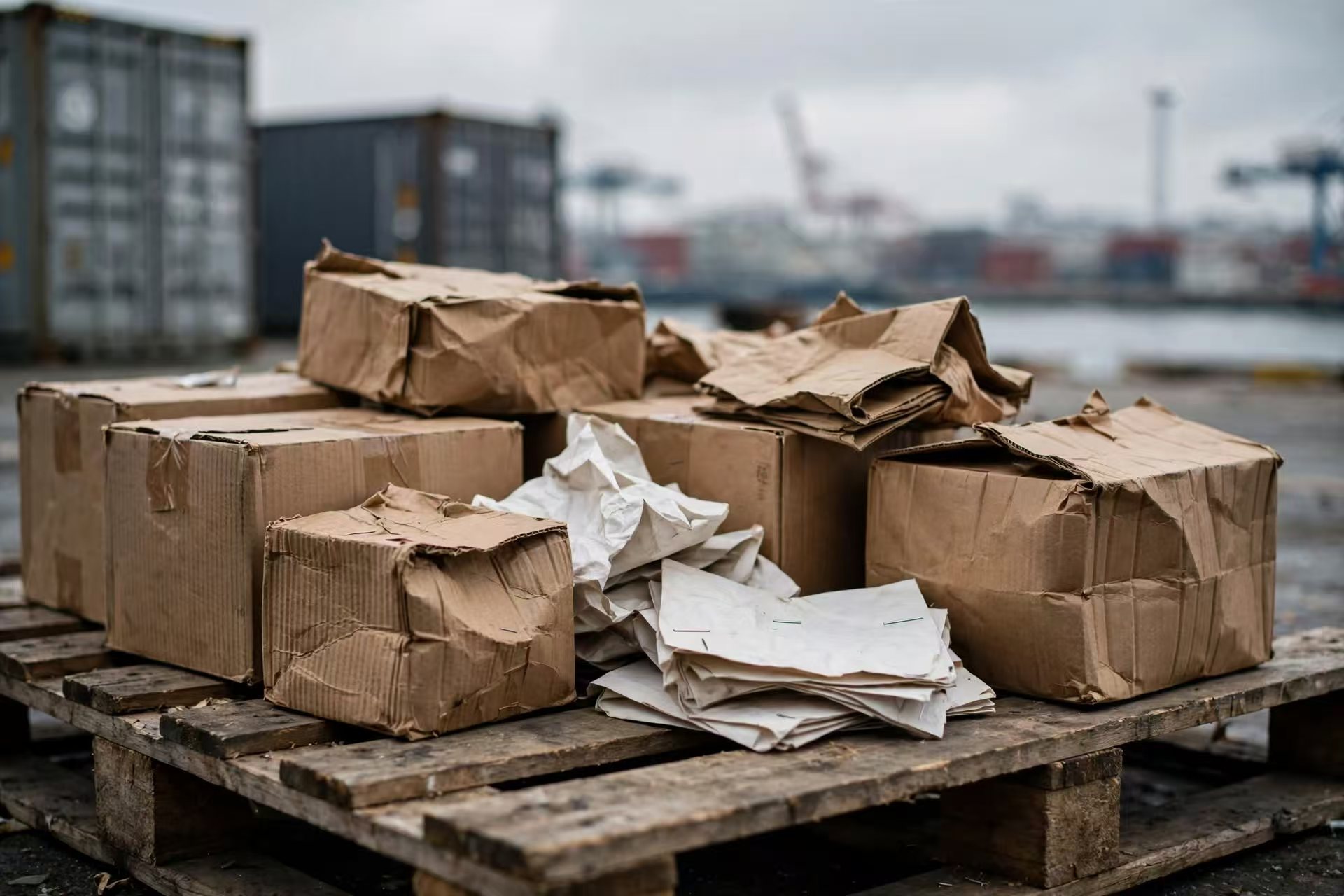
A guide to FDA tea import rules for Chinese tea: facility registration, Prior Notice timing, FSVP duties and import alerts, explained in plain English.

A guide to FSVP for tea importers: hazard analysis, supplier approval, verification activities, corrective action, UFI and recordkeeping under Subpart L.
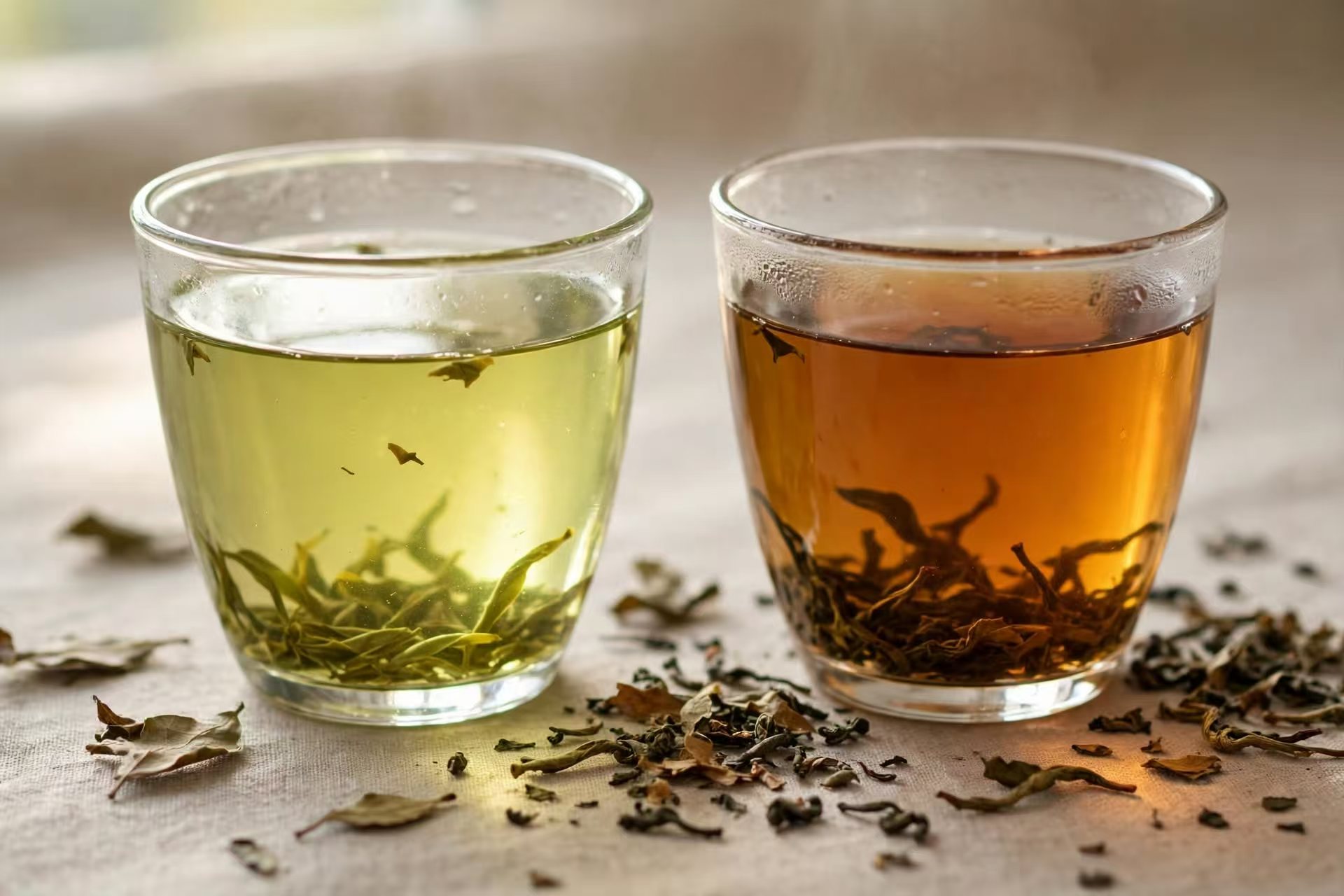
Is green tea or black tea riskier for pesticide residues? We compare processing, leaf-to-cup questions and why farming and testing matter more than tea type.
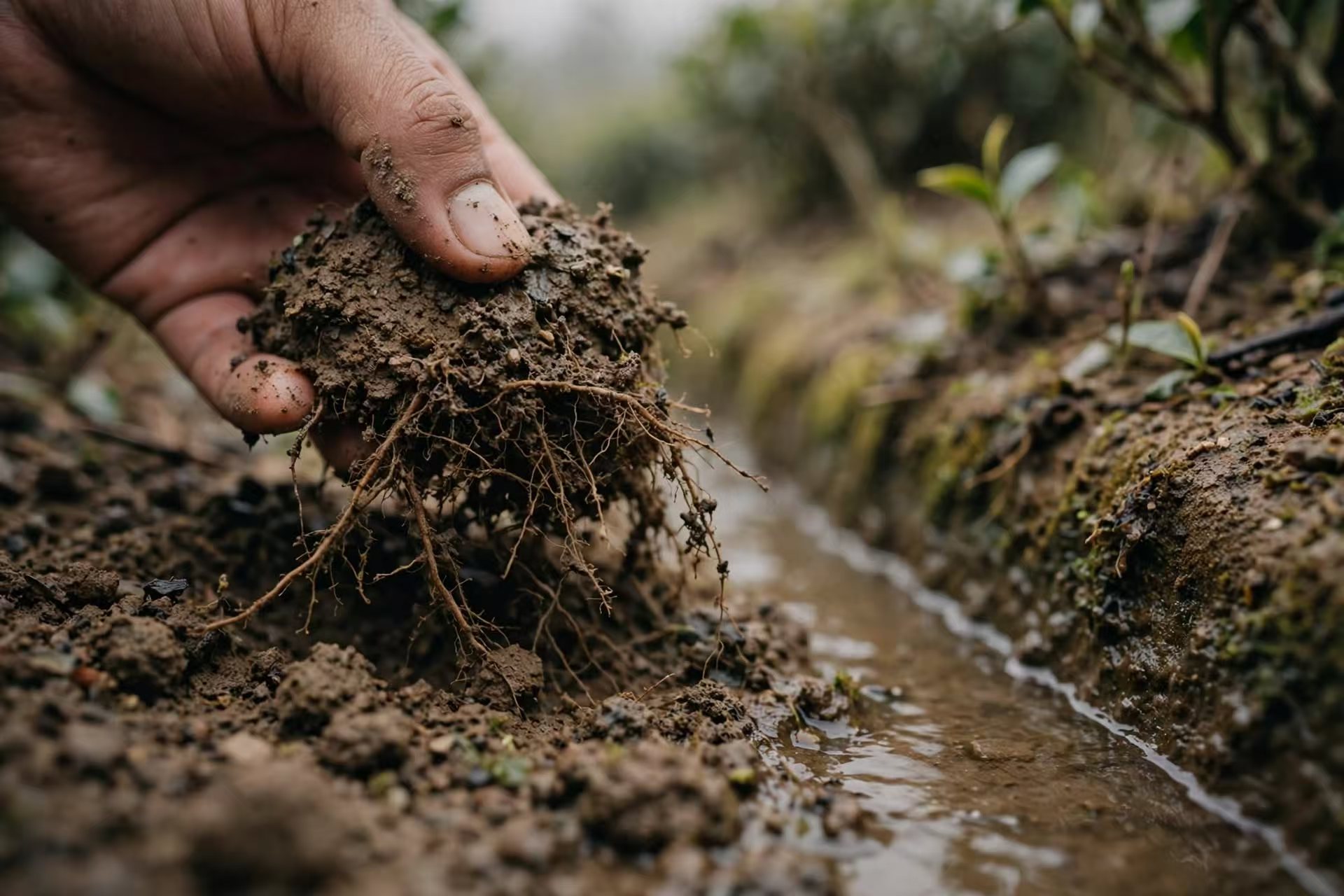
Where heavy metals in tea can come from — soil, water and processing — and how the EU regulates them. A clear, no-nonsense guide for tea buyers and importers.
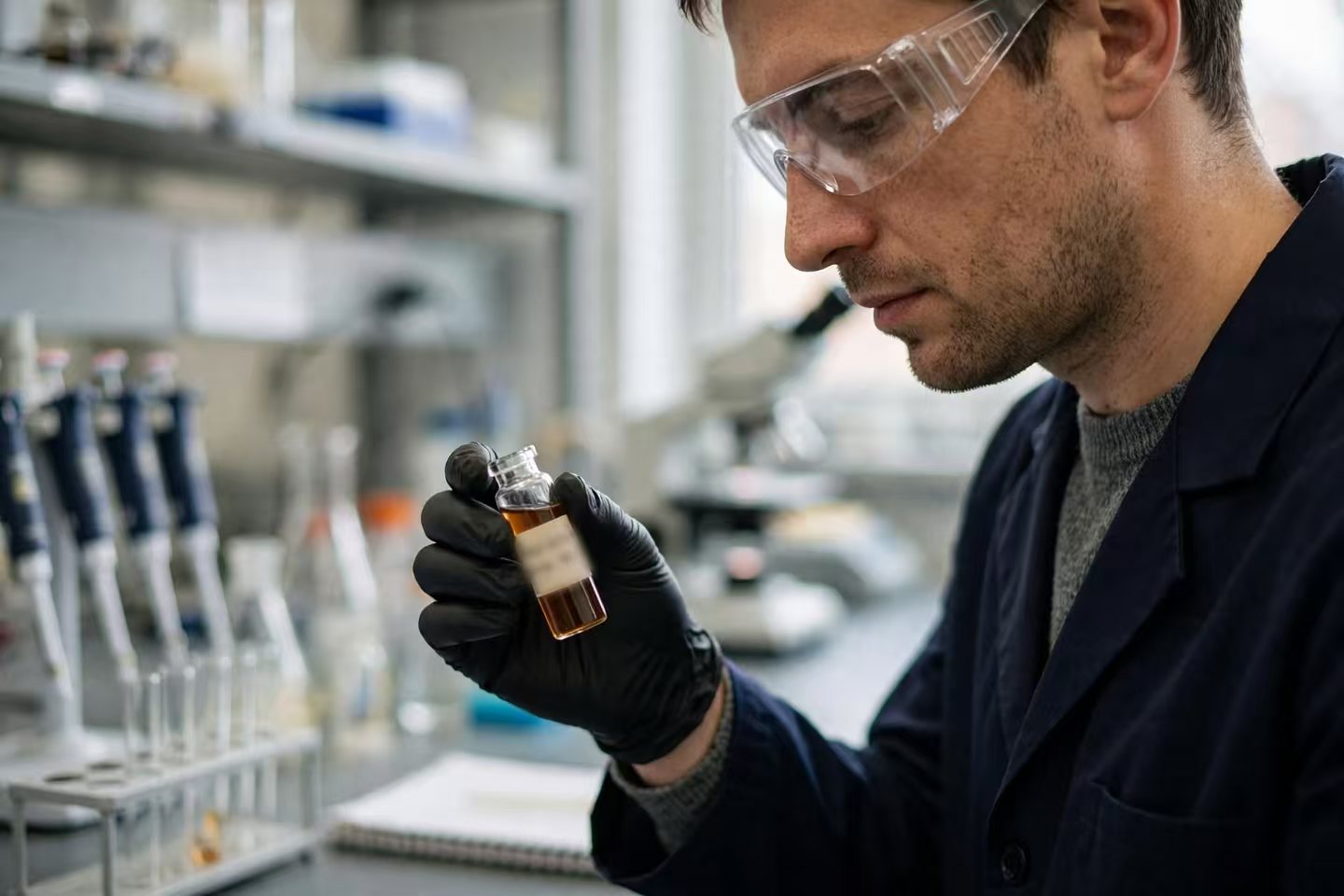
Ever wonder what happens to a tea sample in a European lab? Follow the path from sampling to MRL comparison, LOQ, uncertainty and the final lab report.

A plain-language overview of tea import standards in Australia, New Zealand and Canada: FSANZ Schedule 18, Health Canada MRLs and CFIA enforcement roles.
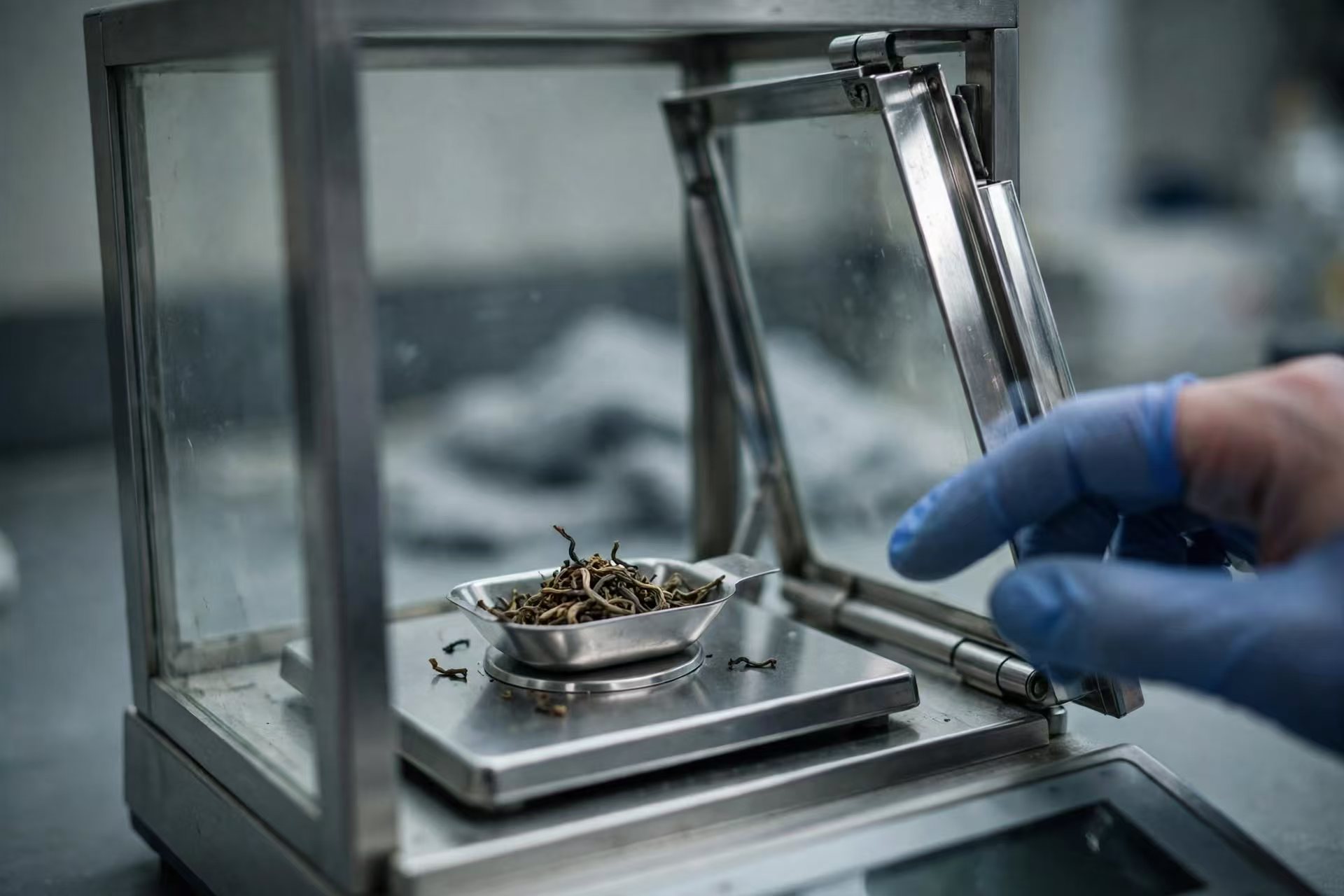
Lead and arsenic in tea: what EU contaminant law actually says, why there is no dedicated tea lead limit, and how COA testing and import controls fill the gap.
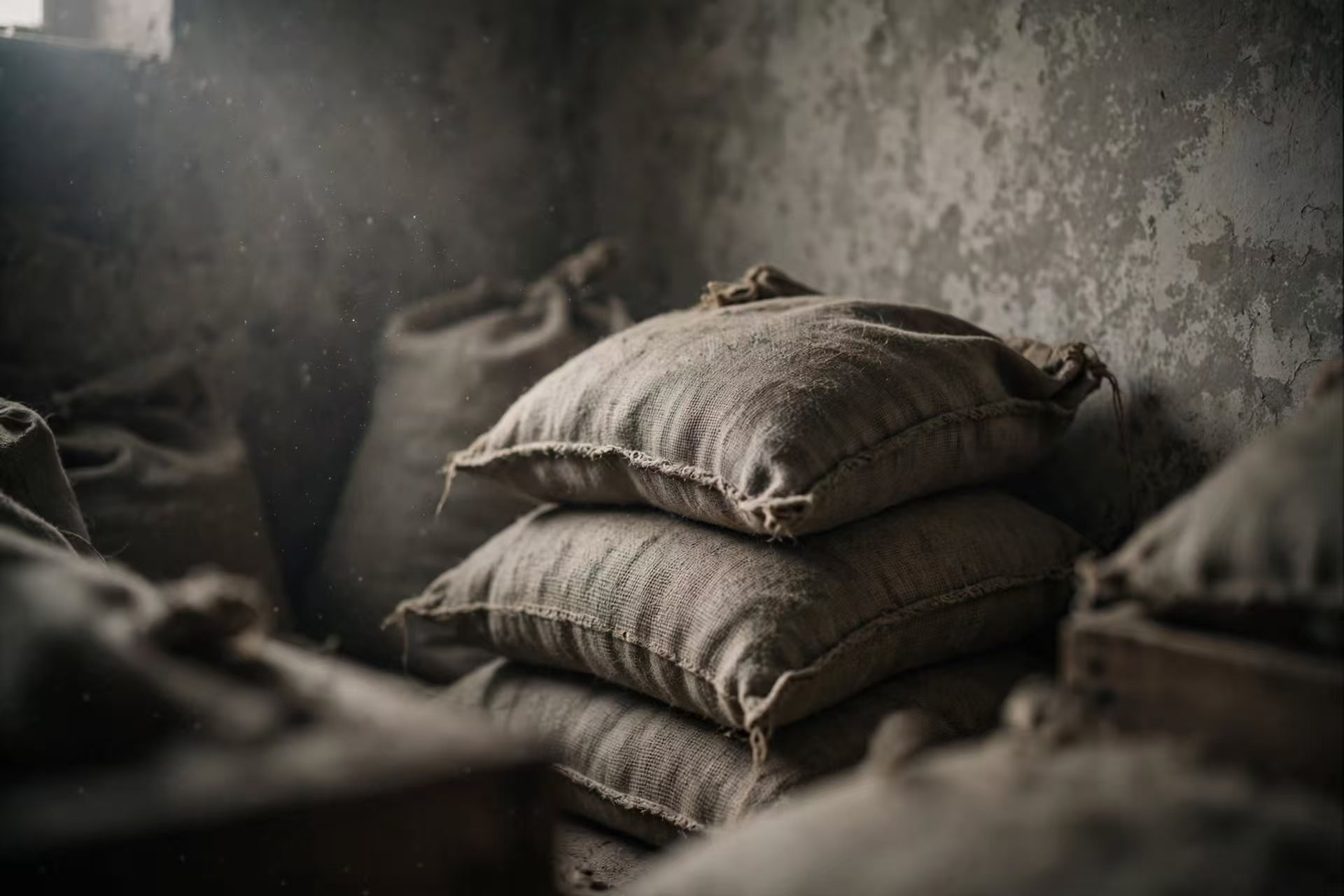
How poor storage can lead to mold and mycotoxin risk in tea, what testing can and cannot show, and why EU law has no dedicated ochratoxin limit for tea leaves.
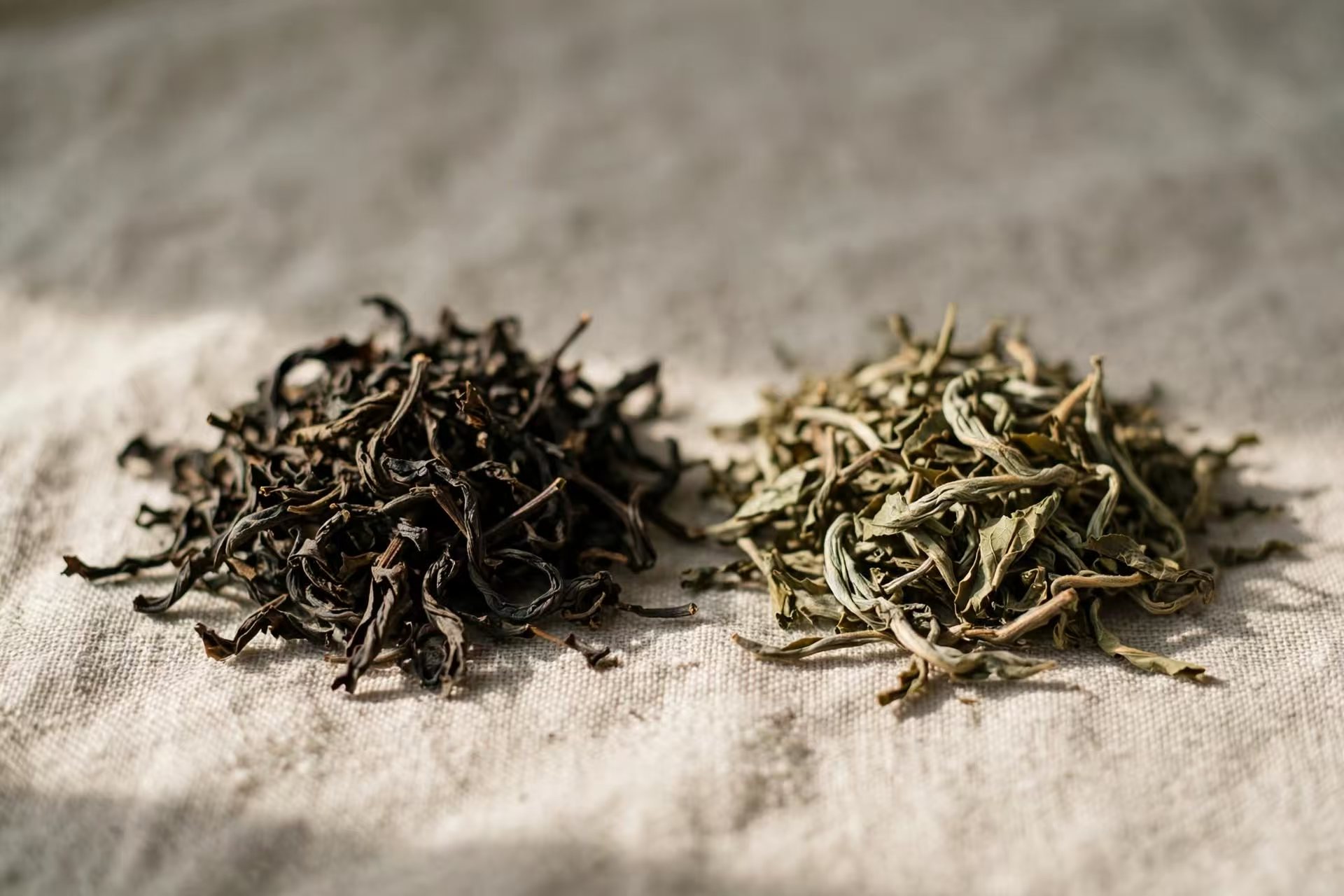
Organic tea follows a production standard, not a promise of zero residues. Learn how residue testing really differs between organic and conventional tea.
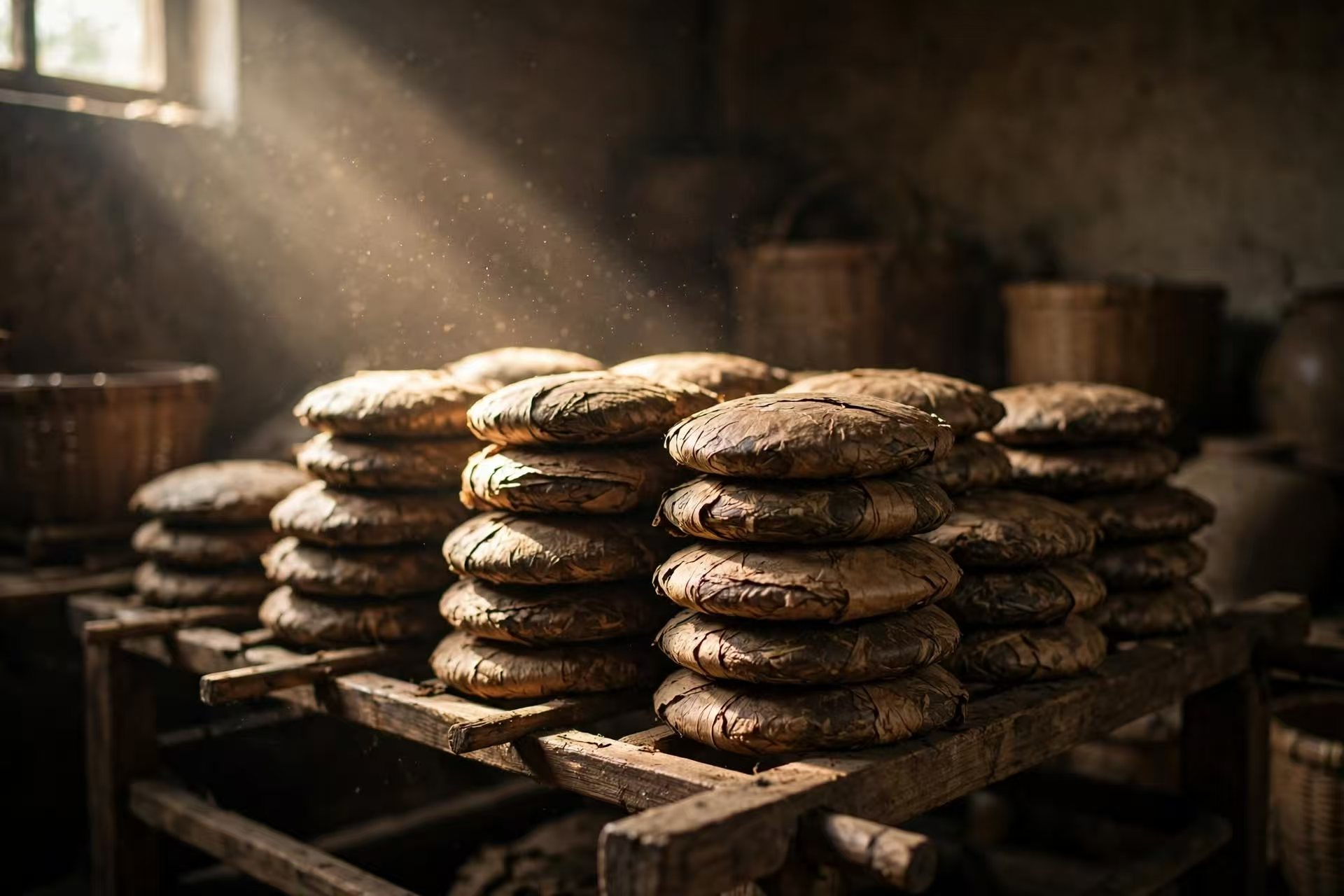
A practical guide to pu-erh tea storage: how humidity, temperature and airflow shape mold growth and contamination risk, and how to store aged tea safely.
Learn how to read a tea Certificate of Analysis: lab accreditation, sample ID, LOD and LOQ, units, pass/fail limits and measurement uncertainty, step by step.
Learn the red flags that can hide poor tea test results: no COA, no lot number, vague 'tested' claims, and cherry-picked batches — and what to ask instead.

A practical compliance checklist for tea buyers in the EU and US: MRLs, contaminants, FSVP, prior notice, testing and documentation, with no invented numbers.
Why a single clean tea test cannot prove a whole lot is compliant: sampling is statistical, and one good result leaves the rest of the stock untested.
US tea labels cannot carry health claims. Learn the key FD&C Act rule on drug claims, and which prohibited statements must never appear on a food label.

FDA prior notice is required for imported tea. Learn the exact 21 CFR 1.279 deadlines, how to file, what data is needed, and what happens if you get it wrong.

A third-party tea test is an independent lab check for residues. Learn what ISO/IEC 17025 means, how to read COAs, and why sampling matters more than you think.

EU MRLs for tea explained in plain English: the 0.01 mg/kg default limit, how Regulation 396/2005 works, and how to look up any pesticide limit yourself.

Tea over an EU pesticide limit cannot be diluted or processed into compliance. Learn what the law says, why the default MRL matters, and what to do next.

Tea can be refused at the US border for paperwork, not just residues. Learn the prior notice clock, FSVP duties, facility registration and import alerts.
Does 'zero pesticide residue' really mean no chemicals were used on the tea? Learn what the phrase hides, how detection limits work, and what to ask instead.