Tea Labeling Rules In The US: Health Claims You Cannot Make
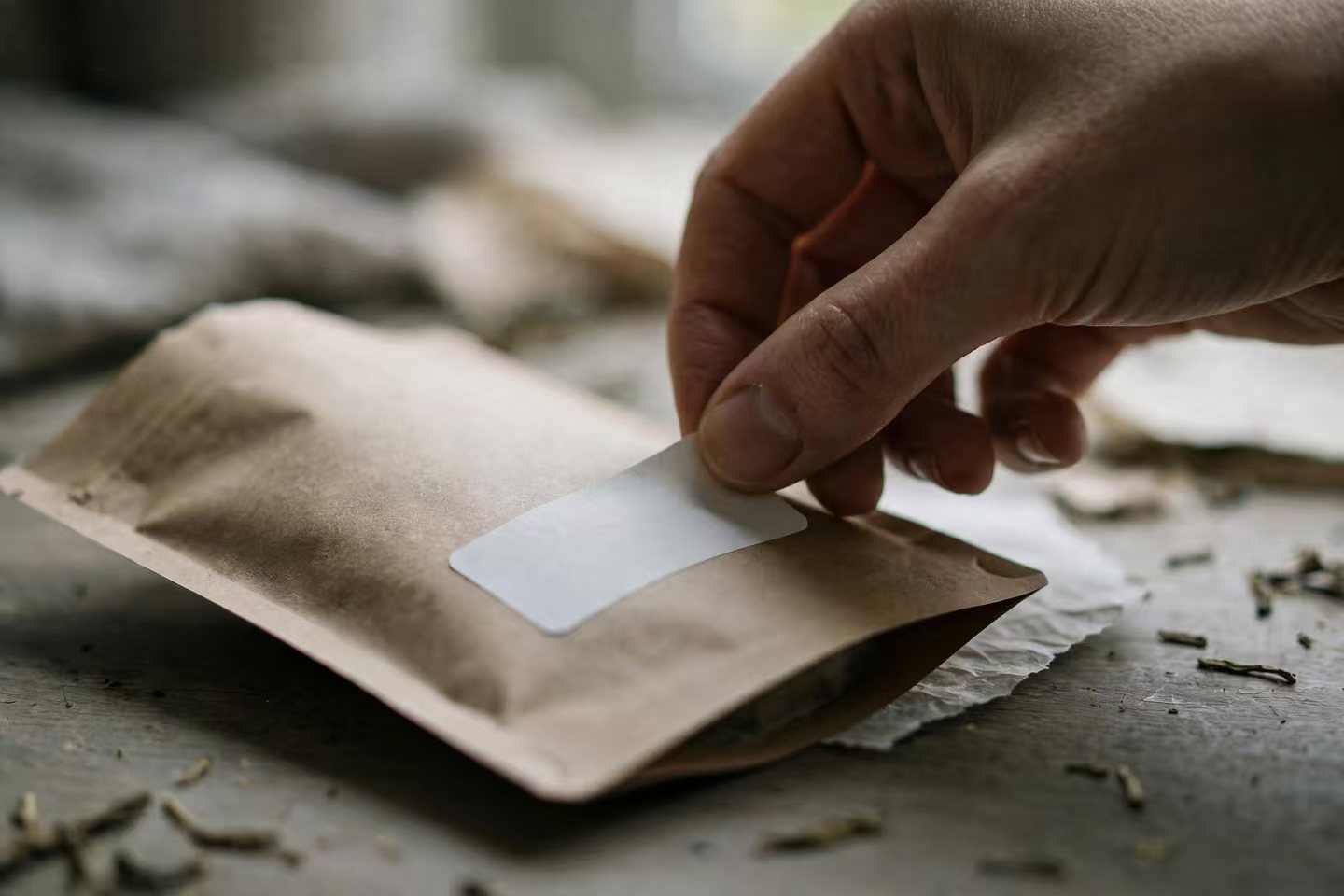
A tea label is not just decoration. In the United States, the words you print on a package can change what the law thinks the product is. Ordinary tea is sold as a food. Put the wrong claim on the tin, and you may be marketing an unapproved drug — a far more serious legal position, and one that is the basis of FDA warning letters.
This article is about the legal rule only. It lists the kinds of claims you must not make. Nothing here suggests that any of those claims are true; they are given purely as examples of prohibited wording.
The legal test: "intended use"
The rule comes from section 201(g)(1) of the Federal Food, Drug, and Cosmetic Act (21 U.S.C. 321(g)(1)). Under that provision, a product is a drug if it is intended for use in:
- the diagnosis, cure, mitigation, treatment or prevention of disease; or
- affecting the structure or any function of the body.
The key phrase is "intended use". The FDA looks at what the labelling and marketing say the product is for. If your labels establish that intended use, an unapproved product can become an illegal drug.
For a tea seller, this is the line you must not cross. Tea sold as a food is not a drug, but a claim on the package can push it across the boundary.
Why ordinary tea cannot carry disease claims
Ordinary tea sold as a food may not bear disease-treatment or health claims. This is not a grey area that depends on how the claim is worded. If the label says the product is for treating or preventing a disease, it is making a drug claim.
That applies at every size of business. A small online seller is just as responsible for the label as a large importer. The size of the batch does not change the statute.
The practical consequence is straightforward: keep the label about the product as a food. Describe what it is — the type of tea, the origin, the style, the net quantity. Leave disease and body-function claims off entirely.
Claim types you must never put on a label
The following are examples of prohibited claim types — things you should not say. They are listed so you can recognise and avoid them. They are not presented as benefits, and this article does not endorse any of them.
Disease claims. Do not state or imply that the product diagnoses, cures, mitigates, treats or prevents any disease. That includes printing the name of a condition next to the product, or suggesting the tea is a substitute for something used for a medical purpose.
Structure or function claims. Do not say the product affects the structure or any function of the body. The second prong of the statutory definition is broad, and wording that describes an effect on the body can establish drug intended use just as a disease claim can.
"Detox" style wording. Do not describe the tea as detoxifying or cleansing the body. This is a claim about an effect on the body, and it has no place on a food label.
Immune, weight and similar claims. Do not write that the product "boosts immunity", "aids weight loss", "lowers blood pressure" or produces any comparable effect. These are the kinds of statements that turn a food label into a drug claim. They are listed here only as prohibited examples — none is being recommended or asserted as true.
Vague health hints. Be careful with softer phrasing too. A label that strongly implies a disease-related purpose can be treated the same as an explicit one. If a customer would reasonably read the package as promising a medical purpose, you have a problem.
How to sanity-check your own label
Before a label goes to print, read it as a regulator would. Ask:
- Does anything on this package name a disease or a bodily condition?
- Does anything claim the product changes the structure or function of the body?
- Would an ordinary buyer take the wording as a medical promise?
- Are there slogans or images that imply a disease-related purpose?
If the answer to any of these is yes, take the claim off. There is no clever wording that makes a prohibited claim safe. The safest label is one that describes the tea as a food and nothing more.
The label is not the only place words appear
Think beyond the physical tin. Marketing copy, product listings and descriptions all form part of what a buyer sees. Because the legal test looks at intended use, the same prohibited claim does not become acceptable by moving it from the package to a web page or a sales description.
This matters for smaller sellers who rely on online marketplaces. A template listing inherited from a supplier may contain wording that was never reviewed against US rules. Read every line of your own listing before you publish it, especially the fields supplied by someone else. If a phrase would be prohibited on the label, do not use it in the listing either.
Consistency is the simple rule: the product, the package and the sales copy should all describe the same thing — a food — in the same way.
The separate Nutrition Facts requirement
Health claims are one labeling topic; Nutrition Facts are another. The FDA's Nutrition Facts label rules, updated in 2016, apply to packaged foods. If your tea is sold in packaged form, you need to consider those rules as a separate compliance task.
Neither requirement replaces the other. A label can have perfectly formatted Nutrition Facts and still be unlawful because of a prohibited claim. Conversely, a label free of health claims still has to meet the applicable packaged-food labelling rules.
Where labeling sits in the wider import picture
A labeling problem does not exist in isolation. A shipment that runs into compliance issues may also be affected by the broader US import framework — Prior Notice under 21 CFR Part 1 Subpart I, supplier verification under Subpart L, and the possibility of detention under an FDA Import Alert. Labels are one part of a compliant import, not a substitute for the rest.
If you are new to this, treat the label as the last check in a chain: the product must be admissible, the paperwork must be right, and the words on the pack must stay within food-claim rules.
Bottom line
Under FD&C Act section 201(g)(1), a product is a drug if its labelling shows an intent to diagnose, cure, mitigate, treat or prevent disease, or to affect the structure or function of the body. Ordinary tea sold as food cannot carry those claims. Keep disease names, detox language, immune and weight promises, and any other body-effect wording off your label, and remember that Nutrition Facts rules apply to packaged foods as a separate matter. The examples in this article show what is prohibited — none of them should ever appear on your tea.
Sources & further reading
- Federal Food, Drug, and Cosmetic Act §201(g)(1) (21 U.S.C. 321(g)(1))
- 21 CFR Part 1 Subpart I (Prior Notice) — https://www.ecfr.gov/current/title-21/chapter-I/subchapter-A/part-1/subpart-I
- 21 CFR Part 1 Subpart L (FSVP) — https://www.ecfr.gov/current/title-21/chapter-I/subchapter-A/part-1/subpart-L
- FDA Import Alerts list — https://www.accessdata.fda.gov/cms_ia/ialist.html